
Beyond the Band-Aid: The 3 Layers of Camp Safety
True safety in the wilderness is built in layers. It’s not just about having a bandage; it’s about having a system that moves with you. Whether you are setting up a family basecamp or heading out for a solo bushcraft session, your kit needs to address three specific categories: Trauma, Environmental, and Comfort.
When we talk about mastery of the wild, we mean knowing your gear inside and out. If you can’t find your antiseptic wipes in the dark because your camp lighting is buried at the bottom of your bag, your preparedness level is zero. Everything must have its place.
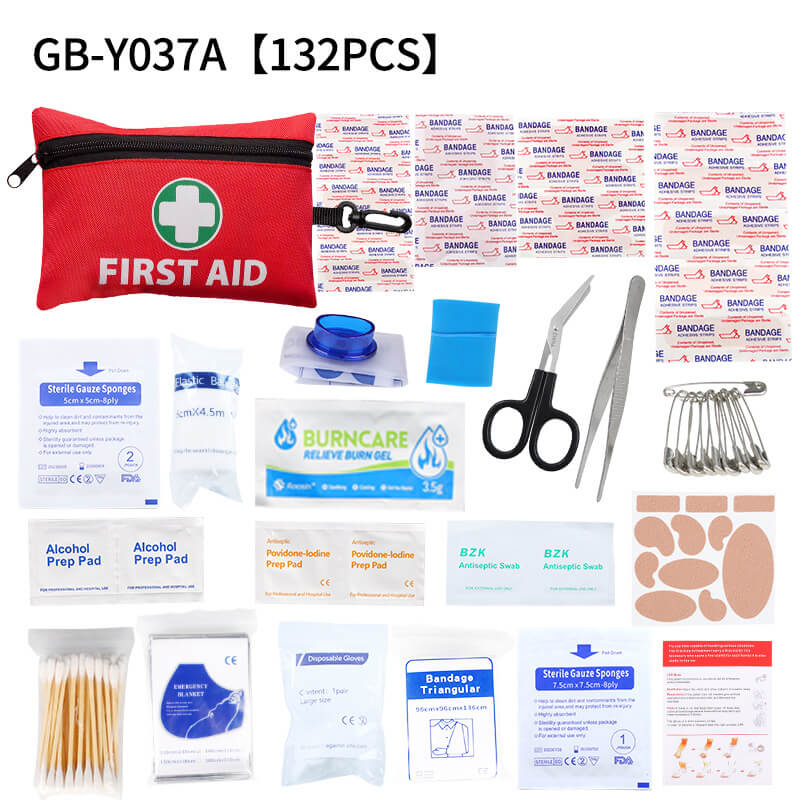
Comparison: Basic Kit vs. The 10Best Camping Standard
Not sure if your current kit is up to snuff? Check the table below to see what a “complete” kit actually looks like for a serious explorer.
| Category | Basic Pharmacy Kit | Backcountry Ready Kit |
|---|---|---|
| Wound Care | Standard Band-Aids | Butterfly closures & Leukotape |
| Bleeding | Maybe a small gauze pad | Pressure bandages & Tourniquet |
| Environmental | None | Emergency Mylar blanket & Signal Whistle |
| Tools | Cheap plastic tweezers | Medical shears & Precision Splinter Forceps |
The Psychology of Safety: Why Organization Saves Lives
In a high-stress situation, your fine motor skills go out the window. This is why we are obsessed with organizing adventure gear. A chaotic medical kit is a useless medical kit. When you’re dealing with a burn from a wood stove, you need to be able to grab the burn cream and sterile dressing in seconds.
Following our 3-step system to eliminate pre-trip stress, your first aid kit should always be the last thing you pack and the first thing you can reach. It should never be buried under your camp chairs or cooking gear.
What You’re Probably Missing (The “Pro” List)
If you’re building your own kit or auditing a pre-made one, make sure you have these overlooked items:
- Moleskin/Leukotape: Hot spots on your heels can end a hike on Day 1.
- Electrolyte Tabs: Dehydration is the silent killer on hot Sierra Nevada trails.
- Antihistamines: Even if you don’t have allergies, a wild bee sting can change that in a hurry.
- Tweezers: Not just for splinters—ticks are a real concern in the Northeast.
Frequently Asked Questions (FAQ)
Q: How often should I check my kit?
A: At 10Best Camping, we recommend a “Seasonal Audit.” Check your kit every spring and autumn. Replace any expired medications and check if your sterile packaging has been compromised by heat or moisture.
Q: Should I carry a tourniquet?
A: Only if you have been trained to use one. While they are life-saving tools for major trauma, improper use can cause permanent nerve damage. We recommend a basic Wilderness First Aid (WFA) course for every serious camper.
Q: Is it okay to keep my first aid kit in my car?
A: It’s better than nothing, but extreme car heat can degrade adhesives (like Band-Aids) and medications. Try to keep your premium gear in a cool, dry place when not in use.
Final Thoughts: Your Legacy of Safety
We believe that camping is about building a legacy in the great outdoors. Part of that legacy is teaching the next generation that being an “outdoorsman” isn’t about taking unnecessary risks—it’s about being prepared for anything nature throws your way.
Don’t wait for an accident to realize your kit is incomplete. Invest in a system that gives you the peace of mind to truly enjoy your next serene adventure.